

Article: Beyond the Face: Expression in Figurative Art
Beyond the Face: Expression in Figurative Art
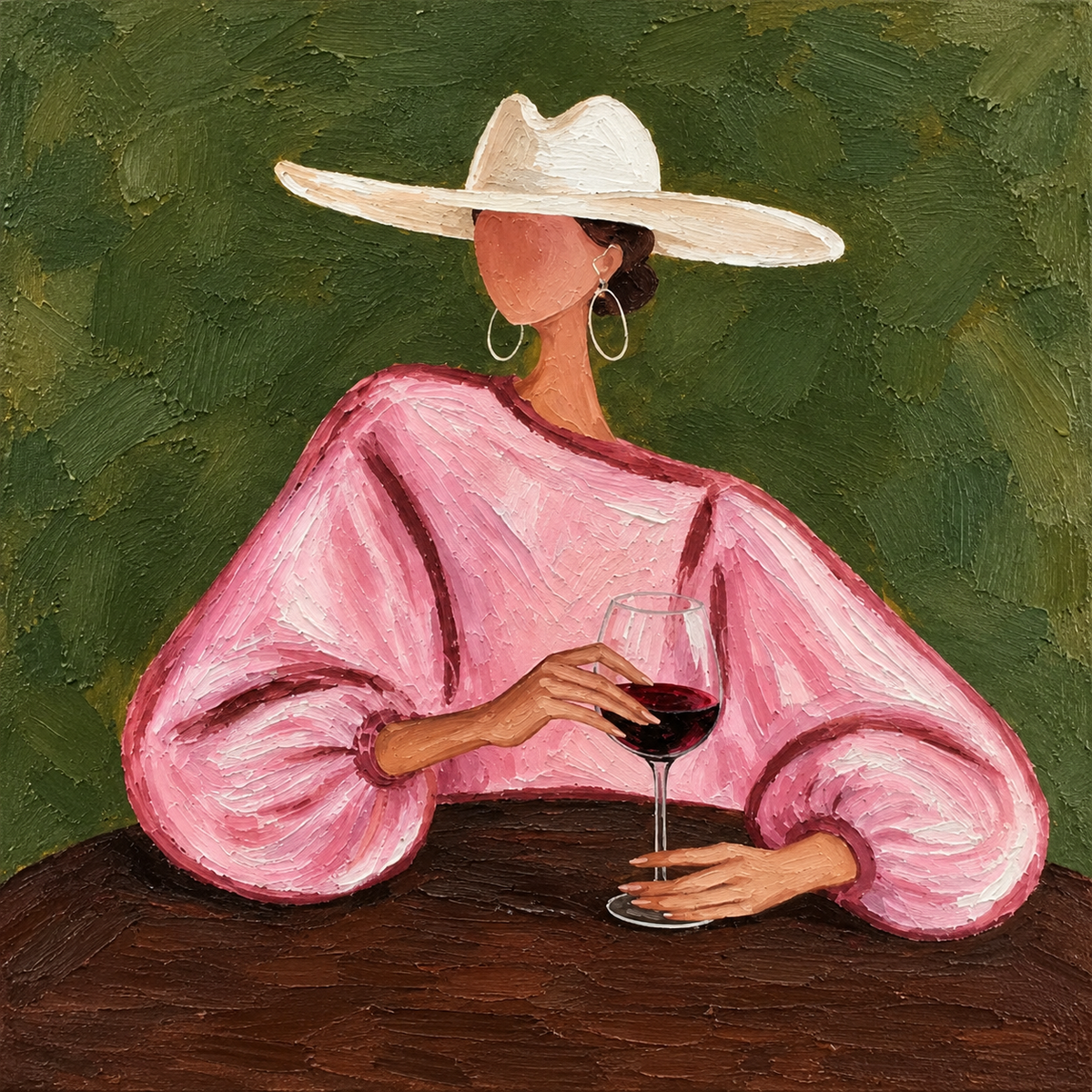
In some figurative paintings, a woman’s face is turned away, softly suggested, or partly concealed by a hat or a bouquet of flowers. Our attention moves toward other details: the way she holds her shoulders, the curve of her silhouette, or the space around her.
These paintings invite a slower kind of looking. Expression unfolds through the whole figure, giving a simple pose a distinct mood and presence.

Expression Through Posture
A lowered head, an outstretched arm, or a relaxed seated position can change how we experience a figure. A woman leaning over a book may seem absorbed in her own world. An upright stance with a hand on the hip can suggest confidence, while a figure turned toward a window may feel thoughtful or expectant.
Small gestures carry particular weight when facial features are less defined. The placement of the hands and the angle of the body become clues, offering a sense of emotion while leaving its meaning open.

Expression Through Color and Texture
Color helps shape the figure’s character. Warm cream and earthy brown can create an intimate atmosphere, while vivid pink or deep red may give a similar pose a more dramatic presence. A pale background can emphasize a dark silhouette, drawing attention to the figure’s outline.
Clothing offers another way to explore these contrasts. Bold stripes introduce rhythm, and broad areas of color give a dress or coat a strong visual presence.
Brushwork adds movement and texture. Loose strokes soften the edges of a shoulder or sleeve, while thicker paint gives weight to fabric and flowers. Up close, we can follow the strokes along a sleeve or see where one color overlaps another.

A Story Left Open
Without a clearly defined facial expression, we have room to form our own connection with the figure. Her pose might recall a familiar habit, a quiet afternoon, or someone we know. Another viewer may find an entirely different story in the same scene.
That openness can make figurative art rewarding to live with. Beside a reading chair or above a console, a painting may first catch our attention through its silhouette or color. Over time, smaller gestures and painted details begin to emerge.
A face may remain hidden, yet the figure can feel full of character—through the turn of a shoulder, the placement of her hands, and the way she occupies the canvas.